
20th – 27th April 26
The Cost of Belief
I appreciate classic books and stories by authors like Austin, Shakespeare and Dickens, and less popular authors like Wilkie Collins, Elizabeth Gaskell and Anthony Trollope
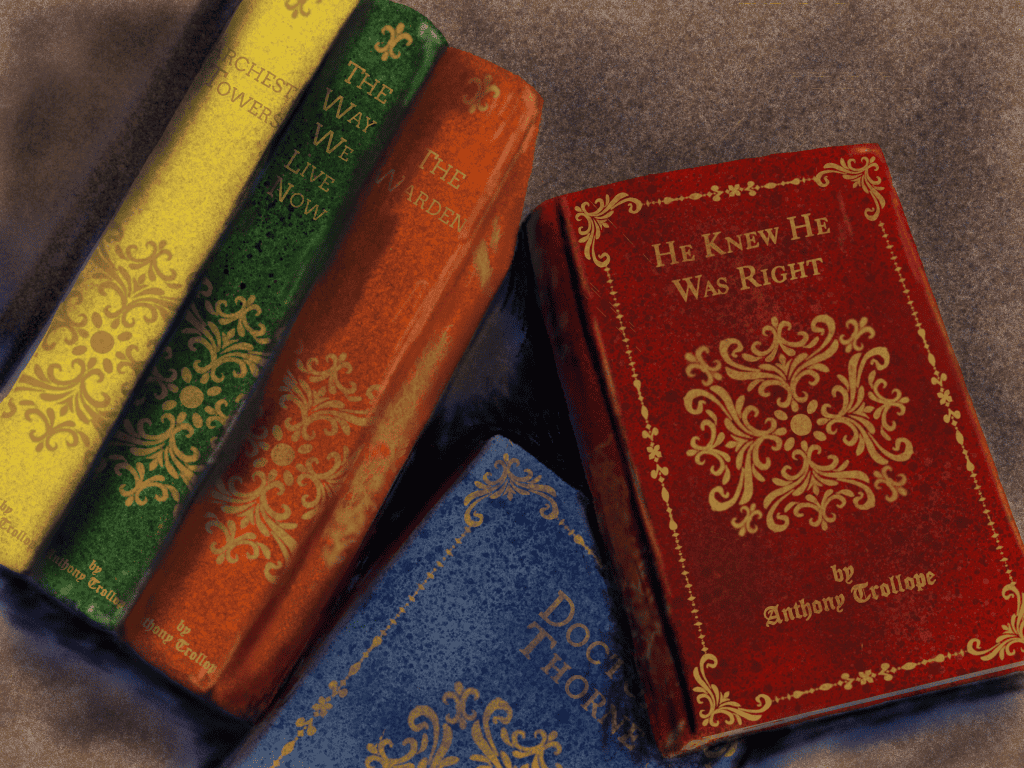
However some books Anthony Trollope wrote I do struggle with. I enjoyed ‘Doctor Thorne’ and ‘The Way We Live Now’ probably because they have happy endings. Some have really made me think like ‘He Knew He Was Right’.
The story is about a man who believes his wife has had an affair when she didn’t. No one can persuade him otherwise, not even his wife. He lets this belief fester, feeding it with suspicion, until it consumes his judgment. In doing so, he doesn’t just harm himself, he damages everyone around him, warping relationships and breaking trust that once seemed unshakeable.
When he finally realises the truth, it is too late. The harm he had caused couldn’t be undone. His relationship with his wife, his family and his friends were beyond repair. He is left isolated, a victim of his own unchecked thoughts.
To me it’s not a pleasant read and I question why it was ever written. But perhaps Trollope’s purpose was never simple enjoyment. Perhaps it was to explore how fragile reality can become when filtered through fear, pride and imagination. The mind, left unchecked, can create a narrative more powerful than truth itself.
Maybe that is where its value lies. Because in life, we all face moments where doubt, assumption or fear tries to take hold. The lesson is not just in the tragedy, but in the warning to question our thoughts, to seek truth with humility and to choose understanding over suspicion. If we do this we remind ourselves that while the mind can mislead, it can also be guided. A life shaped by clarity, compassion, and trust is always worth striving for. In choosing that path, we not only protect our relationships but also find peace, allowing us to move forward with greater wisdom, resilience and hope for what lies ahead.
Perhaps that is the true cost of belief. When left unexamined, it can quietly shape not only how we see the world, but how we lose it.
